
Scaling a high-growth startup beyond its initial digital or domestic footprint almost always requires a physical presence. Whether expanding into advanced manufacturing facilities, regional fulfillment centers, corporate headquarters, or commercial retail outlets, physical real estate represents a major milestone in an enterprise’s lifecycle. However, transitioning from concept to concrete is a high-stakes endeavor where minor miscalculations in site selection, environmental grading, or vendor management can trigger catastrophic budget overruns and operational delays.
Successful physical expansion demands moving past ad-hoc decision-making and adopting disciplined, systems-driven project management. Founders must navigate complex municipal regulations, manage heavy construction contractors, establish secure supply chains, and build reliable local support networks. At the same time, maintaining administrative oversight, securing comprehensive risk coverage, and protecting operating cash flow remain vital to protecting company valuation.
This comprehensive guide delivers an actionable blueprint for founders, executives, and operations leaders. By pairing strategic site preparation with disciplined vendor governance, workforce protections, and precise financial stewardship, you can execute a physical expansion that accelerates revenue and solidifies your market presence.
Auditing Regional Infrastructure and Industrial Readiness
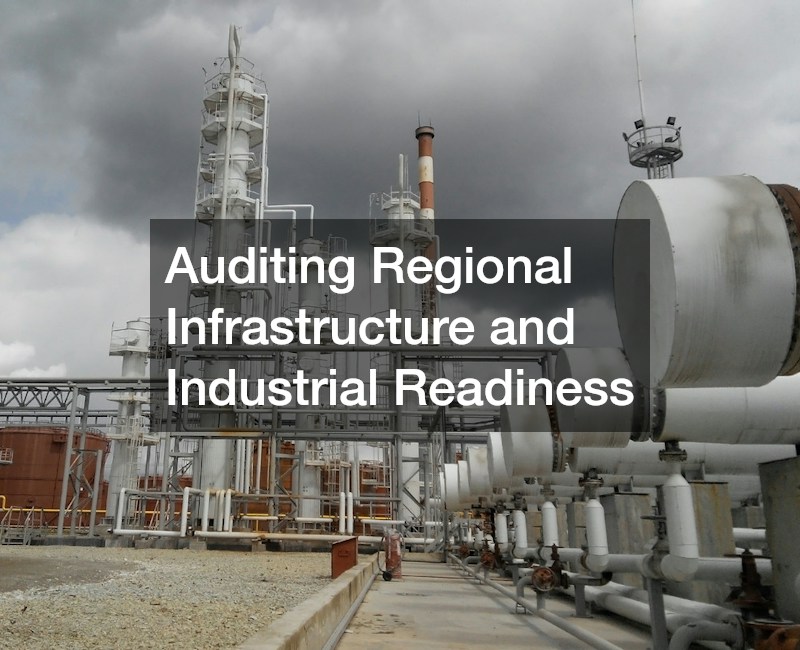
Evaluating prospective real estate requires looking beyond simple square footage and lease rates. Founders must conduct deep due diligence on regional infrastructure, analyzing electrical grid capacities, municipal water access, fiber-optic connectivity, and proximity to primary freight corridors. Failing to verify these core utility foundations early can result in costly retrofits or extended delays when connecting high-draw equipment.
Selecting pre-vetted certified sites significantly streamlines the development timeline for expanding ventures. These shovel-ready properties have already undergone rigorous environmental impact assessments, utility capacity verifications, and zoning approvals, allowing founders to bypass lengthy administrative reviews and break ground with complete confidence.
Conducting thorough civil engineering surveys before signing purchase or lease agreements protects your capital investment. Keep these essential site audit priorities top of mind:
- Review regional zoning maps and municipal master plans to ensure intended commercial or industrial operations align with long-term land-use policies.
- Assess heavy transport logistics, verifying that access roads, turning radii, and loading bay clearances can accommodate commercial freight vehicles.
- Evaluate local utility capacities, confirming that municipal water, natural gas, and power infrastructure meet peak operational demands.
- Check regional soil stability reports and flood zone classifications to estimate potential engineering and insurance costs accurately.
Managing Environmental Considerations and Subsurface Grading
Once a site is secured, ground preparation sets the foundation for the entire physical build-out. Subsurface conditions directly influence structural stability, drainage performance, and long-term facility maintenance costs. Overlooking soil composition, high water tables, or poor compaction can lead to foundation cracking, interior floor settling, and water intrusion down the road.
Hiring a licensed contractor specialized in excavating work is essential for executing precise site clearing, mass earth-moving, and utility trenching. Experienced heavy earth-moving teams ensure proper soil compaction, establish smooth gradient contours, and implement effective storm water drainage solutions before vertical construction begins.
Managing environmental compliance during ground preparation preserves project timelines and prevents regulatory intervention. Implement these tactical steps during initial site preparation:
- Conduct soil perc tests and core sampling to verify load-bearing capacity before pouring concrete footings or foundations.
- Implement strict erosion control measures, including silt fencing and runoff basins, to comply with municipal environmental protection mandates.
- Map all underground municipal utility lines before digging to avoid costly strikes and dangerous service disruptions.
- Document all earth-moving phases and soil compaction tests to fulfill municipal building code requirements and secure occupancy permits.
Securing High-Grade Structural Enclosures and Weatherproofing
The physical building envelope shields your specialized machinery, inventory, and personnel from environmental hazards. Selecting durable, energy-efficient roofing assemblies and exterior cladding materials protects indoor operations and lowers long-term utility overhead.
Partnering with licensed commercial roofers ensures your facility is equipped with high-durability roofing membranes, properly sealed drainage scuppers, and commercial flashings. Experienced industrial roofing specialists install systems designed to withstand regional weather extremes, UV degradation, and heavy equipment loads while maintaining energy efficiency.
Establishing proactive facility maintenance programs prevents minor roof wear from evolving into major structural leaks. Prioritize these weatherproofing and structural protections during build-out:
- Select roofing materials engineered for high thermal performance to reduce heating and cooling costs across large square-footage spaces.
- Schedule bi-annual roof inspections to clean drainage channels, check seam seals, and repair minor membrane punctures early.
- Verify that roof structure design specifications account for specialized HVAC units, solar arrays, or heavy industrial exhaust hardware.
- Ensure all exterior building envelope seals and expansion joints are backed by long-term manufacturer and contractor warranties.
Streamlining Material Supply Chains and Commercial Sourcing
Managing physical construction requires maintaining tight control over material procurement schedules. Supply chain volatility, material shortages, and fluctuating commodity prices can derail construction timelines and trigger severe budget overruns if not managed aggressively from day one.
Establishing direct commercial accounts for wholesale building supplies helps founders secure volume pricing and priority delivery schedules for essential materials like structural steel, lumber, drywall, and masonry. Building direct relationships with primary distributors bypasses middle-market markups and ensures steady material flow to the job site.
Coordinating supply deliveries directly with general contractors ensures efficient workflow progression across all build phases. Consider these supply chain practices to keep construction on schedule:
- Lock in guaranteed pricing structures for core building materials early in the planning process to protect project budgets from inflation spikes.
- Establish secure, climate-controlled storage areas on-site to protect raw construction materials from weather damage and theft before installation.
- Track material lead times continuously, ordering long-lead items like custom steel trusses or specialized glass far in advance of installation dates.
- Conduct weekly inventory audits on-site to confirm material arrivals match project milestone demands and prevent crew downtime.
On-Demand Property Maintenance and Structural Repairs
Maintaining a new commercial facility in peak operational condition requires establishing reliable local vendor support networks before opening doors for business. While heavy construction crews handle initial build-outs, ongoing daily operations depend on responsive trade specialists who can resolve minor mechanical or structural issues rapidly.
Partnering with a reliable loical handyman business ensures your operational team has access to immediate, on-demand repairs for interior drywall, hardware fixtures, minor plumbing leaks, and carpentry touch-ups. Having trusted trade help on call allows facility managers to resolve minor property issues before they disrupt daily workflows or compromise workplace safety.
Systematic maintenance schedules protect physical assets and preserve corporate brand standards. Incorporate these facility upkeep habits into daily operations:
- Implement a digital work-order system that allows employees to report physical facility issues, broken hardware, or safety hazards instantly.
- Conduct monthly walk-through inspections across all operational spaces to identify physical wear, scuffed paint, or damaged flooring requiring touch-ups.
- Keep basic maintenance supplies, paint touch-up kits, and common hardware items stocked on-site for immediate minor repairs.
- Maintain clear service-level agreements with local trade vendors to guarantee fast response times for urgent facility repairs.
Managing Industrial Utilities and Climate Control Supplies
Industrial facilities, fulfillment centers, and large corporate campuses require continuous, cost-effective energy supplies to maintain climate control, power machinery, and support daily administrative functions. Unexpected utility interruptions or runaway energy costs can quickly erode operating margins.
Contracting with a dependable heating oil delivery business guarantees steady fuel supplies for facility boilers, off-grid heating systems, and emergency backup generators. Securing automated fuel delivery schedules protects operations from winter supply squeezes, ensuring climate control and essential machinery run without interruption.
Optimizing energy consumption across large commercial facilities requires regular mechanical audits and smart building controls. Execute these utility management steps:
- Install programmable, smart commercial thermostats and zoned climate sensors to eliminate unnecessary heating and cooling in unoccupied areas.
- Conduct annual pre-season HVAC and boiler inspections to clean burners, replace air filters, and test system efficiency.
- Maintain dedicated fuel storage tanks with automated level monitoring to trigger refilling orders before fuel reserves dip below safety thresholds.
- Explore energy efficiency rebates and commercial utility incentives to offset the capital cost of high-efficiency heating and cooling upgrades.
Designing Comprehensive Healthcare and Employee Benefit Packages

Physical expansion means expanding your workforce, which introduces the challenge of recruiting, training, and retaining top-tier talent in new geographic markets. Creating a safe, supportive work environment requires pairing modern physical facilities with competitive compensation packages that protect worker health and well-being.
Attracting skilled operations personnel, warehouse managers, and administrative staff requires offering a robust business health insurance plan. Providing comprehensive healthcare coverage, preventive wellness options, and mental health support demonstrates long-term commitment to your workforce, driving retention and reducing costly employee turnover.
Investing in employee health directly supports operational productivity across scaling facilities. Focus on these workforce protection initiatives:
- Structure tiered benefit options that accommodate diverse employee needs, including comprehensive medical, dental, vision, and wellness programs.
- Design ergonomic workstations, assembly lines, and office layouts to minimize physical strain, fatigue, and workplace repetitive-motion injuries.
- Establish clear health and safety committees within physical facilities to monitor workplace conditions and promote safety compliance.
- Offer competitive employee assistance programs that provide confidential counseling, financial planning, and wellness resources.
Elevating Corporate Culture and Facility Hospitality Services
Physical facilities serve as the tangible expression of your corporate culture. Building clean, comfortable, and functional work environments fosters employee collaboration, boosts team morale, and communicates professionalism to visiting partners, clients, and investors.
Utilizing specialized corporate catering services for company meetings, executive briefings, and team milestones strengthens workplace culture and enhances corporate hospitality. Providing high-quality, on-site meal options during major project launches or multi-day strategy sessions keeps teams focused, valued, and engaged.
Designing supportive employee amenities transforms a standard industrial or office building into a vibrant workspace. Implement these workplace hospitality strategies:
- Build modern, comfortable breakrooms stocked with kitchen amenities, quality seating, and quiet zones where staff can genuinely recharge during shifts.
- Create multi-purpose collaboration spaces equipped with modern audiovisual technology to support hybrid meetings and cross-departmental planning.
- Host regular team-building events and catered lunches to celebrate facility milestones, safety records, and individual accomplishments.
- Keep client presentation rooms and executive conference spaces impeccably maintained to project brand quality during high-stakes meetings.
Securing Comprehensive Property and Liability Protections
Physical expansion significantly increases an enterprise’s risk profile. Operating real estate, housing expensive machinery, managing inventory fleets, and hosting employees and visitors on-site introduces potential liabilities that require robust commercial insurance coverage.
Working closely with an established insurance agency allows founders to conduct comprehensive risk audits and secure customized commercial policies. Experienced insurance brokers ensure your business carries adequate commercial property coverage, inland marine floaters for equipment in transit, and umbrella liability policies that protect company valuation against catastrophic claims.
Mitigating physical property risk requires blending insurance coverage with proactive job-site safety controls. Execute these risk management priorities:
- Conduct annual insurance reviews to adjust policy limits as physical building values, machinery assets, and inventory holdings expand.
- Implement comprehensive security systems, including high-definition access controls, perimeter fencing, and 24/7 video surveillance.
- Establish strict visitor management protocols, requiring non-employees to sign in, wear identification badges, and follow site safety escorts.
- Review subcontractor insurance certificates rigorously to verify adequate general liability and workers’ compensation coverage before site access.
Strategic Capital Allocation, Depreciation, and Tax Accounting
Managing the financial complexity of commercial real estate expansion demands tight capital allocation and disciplined accounting. Physical build-outs involve heavy upfront capital expenditures that must be tracked, capitalized, and depreciated correctly to optimize tax efficiency and protect company cash flow.
Retaining a skilled certified accounting professional ensures construction costs are accurately classified across land, structural improvements, and short-life machinery assets. Accounting experts establish optimized depreciation schedules, identify cost-segregation opportunities, and maximize property tax deductions to preserve working capital during expansion.
Maintaining financial discipline across real estate development requires continuous oversight. Follow these core capital management steps:
- Establish a dedicated real estate capital reserve fund to absorb unexpected change orders, permit fee adjustments, or material price increases.
- Perform monthly job-costing audits to compare actual construction expenditures against initial architectural and engineering estimates.
- Utilize specialized construction accounting software to track contractor invoices, retainage funds, and lien waivers in real time.
- Evaluate state and local economic development tax credits, job creation incentives, and enterprise zone grants to offset expansion costs.
Executing a Scalable Physical Expansion Strategy
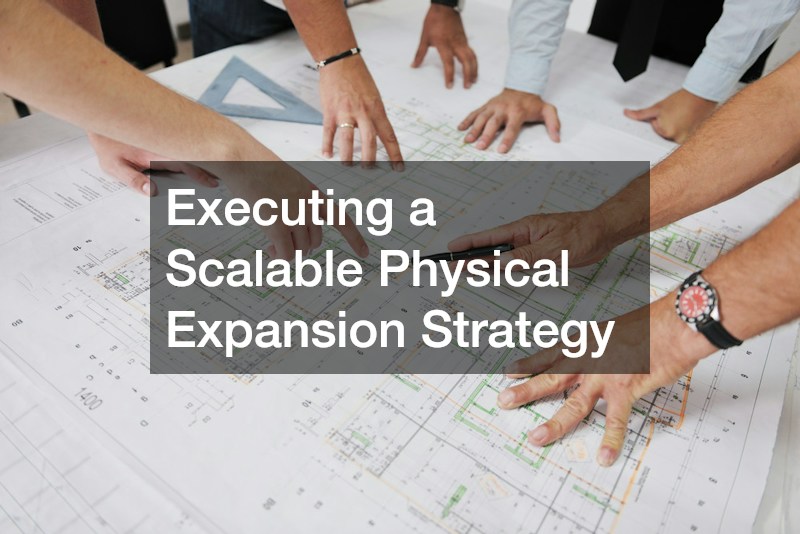
Sustaining rapid physical expansion requires converting early lessons into standardized operational playbooks. The goal for founders is to build a repeatable framework for site selection, vendor procurement, ground preparation, and administrative setup that can be deployed seamlessly across new geographic territories as the company scales.
Document every phase of your initial build-out, capturing lessons learned, contractor performance metrics, supply chain contacts, and municipal approval timelines. Centralize your vendor directories, standard lease agreements, insurance requirements, and facility management checklists into an accessible digital expansion playbook. This structured approach empowers regional operations teams to execute site build-outs efficiently without reinventing processes or making costly mistakes.
By systematically pairing strategic site preparation with disciplined trade contracting, robust risk management, workforce protections, and precise financial stewardship, founders can build a dominant physical footprint. Executing physical expansion with strategic clarity ensures your facilities become powerful engines for sustainable long-term corporate growth.
About the Author